
One Glaucoma: The Silent Thief of Sight – How to Detect It Early of the main causes of permanent blindness in the world is glaucoma. Because it steadily impairs eyesight without causing any symptoms in the early stages, it is frequently referred to as the “silent thief of sight.” Significant and irreversible vision loss may have already happened by the time a person becomes aware that something is amiss.
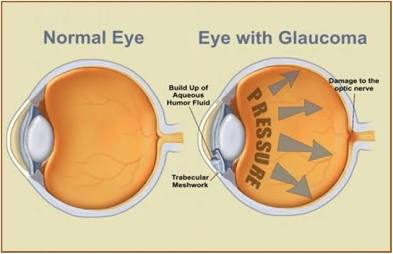
IMAGE TAKEN FROM CANVAhttps://CANVA.COM
The good news is that early detection and timely treatment can slow or prevent vision loss. Understanding how glaucoma develops, recognizing risk factors, and undergoing regular eye check-ups are key to protecting your eyesight.
What is Glaucoma?
Glaucoma is a group of eye diseases that damage the optic nerve, the part of the eye responsible for sending visual information to the brain. Glaucoma: The Silent Thief of Sight – How to Detect It Early
In most cases, this damage is associated with increased pressure inside the eye, known as intraocular pressure (IOP). However, glaucoma can also occur even when eye pressure is normal.
The optic nerve damage is irreversible, meaning lost vision cannot be restored. This is why early detection is extremely important.
Types of Glaucoma
There are several types of glaucoma, but the most common include
Primary Open-Angle Glaucoma (POAG)
This is the most common form. It develops slowly and painlessly over time. The drainage system of the eye becomes less efficient, causing pressure to build up gradually.
Angle-Closure Glaucoma
This type occurs when the drainage angle of the eye becomes suddenly blocked. It can cause a rapid increase in eye pressure and is considered a medical emergency. Glaucoma: The Silent Thief of Sight – How to Detect It Early
3. Normal-Tension Glaucoma
In this type, optic nerve damage occurs even though eye pressure remains within normal range. The exact cause is not fully understood
Congenital Glaucoma
This rare form is present at birth and is caused by abnormal development of the eye’s drainage system.
How Glaucoma Damages Vision
Glaucoma typically affects peripheral (side) vision first, while central vision remains clear in the early stages.
Over time, the field of vision narrows, creating a “tunnel vision” effect. If untreated, it can eventually lead to complete blindness.
Because the brain adapts to gradual vision loss, many people do not notice changes until the disease is advanced
Causes and Risk Factors
Glaucoma can affect anyone, but certain factors increase the risk:
- Age above 40 years
- Family history of glaucoma
- High intraocular pressure
- Diabetes or high blood pressure
- Long-term steroid use
- Severe nearsightedness (myopia)
- Eye injuries or surgeries
- Thin corneas
Having one or more risk factors does not mean you will develop glaucoma, but it increases the importance of regular eye examinations.
Symptoms of Glaucoma
One of the most dangerous aspects of glaucoma is that early stages often have no symptoms.
Early Stage Symptoms:
- No noticeable vision changes Glaucoma: The Silent Thief of Sight – How to Detect It Early
- Slight difficulty with peripheral vision (often unnoticed)
Moderate to Advanced Symptoms:
- Loss of side vision
- Difficulty seeing in low light
- Blurred vision
- Seeing halos around lights
- Eye discomfort or pressure (more common in angle-closure glaucoma)
Acute Angle-Closure Glaucoma Symptoms (Emergency):
- Sudden severe eye pain
- Headache
- Nausea
- Sudden blurred vision
- Red eye
- Halos around light
If these symptoms occur, immediate medical attention is required.
Why Glaucoma is Called the Silent Thief
Glaucoma progresses slowly and painlessly in most cases. Unlike other eye conditions, it does not usually cause early warning signs such as redness or pain.
This silent progression means:
- People often delay eye check-ups
- Vision loss is noticed only after significant damage
- Treatment becomes more difficult in advanced stages
Regular screening is the only reliable way to detect glaucoma early.
How Glaucoma is Diagnosed
Eye doctors use several tests to detect glaucoma:
1. Tonometry (Eye Pressure Test)
Measures intraocular pressure.
2. Ophthalmoscopy
Examines the optic nerve for damage.
3. Visual Field Test
Checks peripheral vision loss.
4. Pachymetry
Measures corneal thickness, which can affect pressure readings.
5. Optical Coherence Tomography (OCT)
Provides detailed imaging of the optic nerve and retina.
These tests help detect glaucoma even before symptoms appear.
Treatment Options for Glaucoma
Although glaucoma cannot be cured, it can be controlled to prevent further vision loss.
1. Eye Drops
Most common treatment. They reduce eye pressure by improving fluid drainage or decreasing fluid production.
2. Oral Drugs sometimes used to lower ocular pressure even further. 3. Laser Therapy enhances the eye’s ability to discharge moisture. 4. Surgery When alternative therapies are ineffective, it is advised in advanced situations. Treatment does not aim to restore lost vision, but rather to halt or stop the development.
How to Detect Glaucoma Early
Early detection is the most powerful tool against glaucoma. Here’s how you can protect your vision:
1. Regular Eye Check-ups
- Every 1–2 years after age 40
- More frequently if you have risk factors
2. Comprehensive Eye Exams
Do not rely only on vision tests. Ask for glaucoma screening.
3. Know Your Family History
. Know Your Family History
If glaucoma runs in your family, inform your eye doctor.
4. Monitor Subtle Vision Changes
Pay attention to:
- Difficulty seeing objects at the side
- Trouble driving at night
- Frequent bumping into objects
5. Control Health Conditions
Managing diabetes and blood pressure can reduce risk.
Living with Glaucoma
With proper treatment and monitoring, many people with glaucoma maintain useful vision throughout their lives.
Important lifestyle tips include:
- Taking medications regularly
- Attending follow-up appointments
- Avoiding self-medication with steroid eye drops
- Protecting eyes from injury
- Maintaining a healthy lifestyle
Support from family and regular communication with an eye specialist are essential.
Conclusion
Glaucoma is a serious eye condition that can lead to permanent blindness if not detected early. Because it often develops without symptoms, it is known as the silent thief of sight. However, vision loss from glaucoma is largely preventable with early diagnosis and proper treatment.
Regular eye examinations, especially for people over 40 or those with risk factors, are the most effective way to detect glaucoma early. Modern diagnostic tools can identify the disease before significant vision loss occurs, allowing timely treatment to preserve eyesight.
Protecting your vision starts with awareness. Do not wait for symptoms—early screening can save your sight for life.